

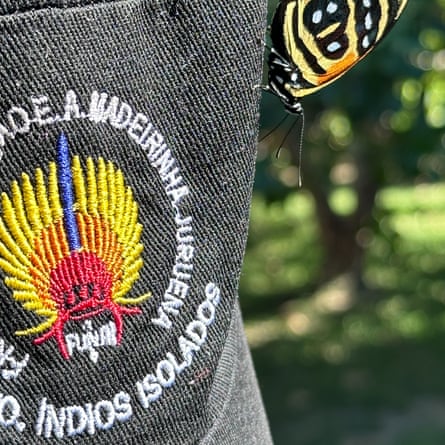
In the past year, specialists from the national agency for tribal groups trekked over 60 miles through untouched wilderness on the southern periphery of the Amazon region. Their mission was to observe and help protect an Indigenous group with no contact with the modern world.
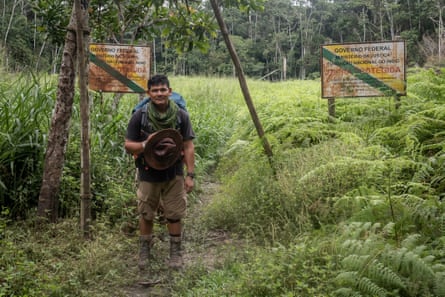
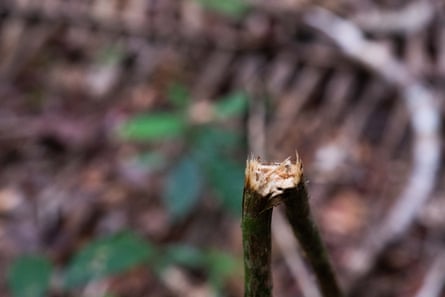
Their discoveries included a handcrafted item made from forest foliage, a child’s footprints by a riverbank, and tree trunks recently hacked to gather honey. They also found former dwellings being reclaimed by nature and shells from gathered nuts near old fire pits. These were all telltale indicators that the isolated tribe continued to inhabit the region.
Bureaucratic Delays Impede Legal Safeguards
Despite a supreme court ruling approving a set of protective measures for the uncontacted people, the federal administration has failed to implement. The approved measures included speeding up the boundary setting of their ancestral domain and explaining deforestation reduction strategies.
Administrative holdups, funding shortages, and hostile clashes—involving aggressions by individuals connected to the timber trade—have halted the protection initiative.
Without physical boundaries, loggers and ranchers continue to encroach, leaving the Kawahiva extremely vulnerable of genocide. Rights groups label the stalling a willful and life-threatening breach of the country's constitution.
“The delay in land protection is not only unlawful, it is also extremely dangerous.”
A Forest Under Siege
The intended vast reserve has yet to receive complete legal status, as mandated by law. It is considered the largest unprotected forest in Brazil that is home to uncontacted Indigenous people.
On the edges of the proposed borders, the landscape changes dramatically. The vegetation is cleared for pastureland. Fences and gates are being erected, and logging tracks are stretching farther into the natural habitat.
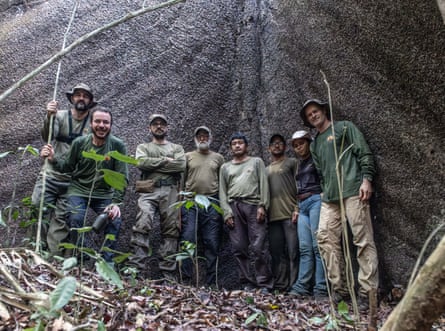
Following the expedition, a agency head for land defense vowed to finalize the demarcation. “We are making everything in our power to make certain that the Kawahiva land receives protection,” the official stated.
Money Problems and Escalating Tensions
Physical demarcation of the 200-mile perimeter involves placing concrete markers. This is seen as a decisive step to show loggers and farmers that the state will enforce about upholding the law. However, the process remains stalled.
Money has been a major stumbling block. Initial plans to use environmental mitigation money from a infrastructure development were unsuccessful. The agency has since sought other sources.
It has now turned to a research center. “It’s a technical partnership that we’ve already had success with,” explained an official. “The fieldwork is planned to begin in early 2026.”
The institute stated that discussions were in late stages but did not give a start date.
Complicating everything is what officials term a “highly tense environment in the region,” which is expected to require an armed police presence during any demarcation work.
Threats and Intimidation
The potential for conflict is real. In previous years, an group of invaders assaulted a government base in the territory, resulting in a gun battle where one attacker was killed. Years later, heavily armed police were present in the area.
In recent months, an recorded message surfaced in which a man, claiming to be a local leader, threatened the lead field agent. The individual, connected to local loggers, boasted to have searched the land “looking for those isolated Indians.”
He is allegedly charged with several illegal activities, including charges related to the attempted murder on the agent. “Our operations are hindered because of this guy,” the man said in the recording.
A Closing Window
Anthropologists and observers point out that it has been over 25 years since the existence of the uncontacted people was confirmed. “In all these years, illegal settlers have fought against the territorial status in court,” noted one expert.
They raise a disturbing possibility: that the current delay is a political obstacle rather than a bureaucratic one. This leads to fear that action may not happen even in the near future.
The political context adds urgency. Many believe that 2026 represents the closing window for this territory project to be realized, before a potential change in government could stop similar processes, as was the case previously.
The judicial order was the result of a petition filed by a national Indigenous organization. The court recognized the “risk of genocide, starvation, and cultural loss” facing the community.
A lawyer involved described the process as “at a standstill,” with the court waiting for action. The risks of inaction are stark. “It is also extremely dangerous and threatens the survival of the vulnerable tribe,” warned a representative from an campaigning body.
